Subscribe:

Thursday, 4 April 2013

Reviews About Japan Help You Adjust Better on Your Visit

If you love to travel and are contemplating going to Japan on your next holiday, you have made the right choice. In Japan you will get the best of both worlds. It is full of culture and is well rooted in traditions yet extremely modern. Visiting Japan should actually be on the top of your ‘Places I must Visit’ list, if you are really passionate about travelling.

Image Courtesy:japan-guide.com

The Land of the Rising Sun is the perfect holiday destination for people who love to explore new ethnicities. The history of the country is very rich and travellers interested in history will completely love Japan. The country is an amalgamation of antiquity and modernity. So, if you want to visit a place in the Orient which has both hills and the sea, your best bet will be a trip to Japan.

Image Courtesy: wikitravel.org

However, as tourists we have many preconceived notions about certain countries. For example, the first time I thought of visiting Japan, I had made up my mind about the fact that I was going to have a language problem in the country, but the people of Japan, proved me wrong. Every tourist spot is full of tour guides who know both Japanese and English. So, if you want to go sightseeing, first get hold of a good guide, for they know the best places in Japan, which are truly worth a visit. The Japanese race is quite proud and some people might not be very welcoming but on the whole, the country is magnanimous.

Image Courtesy: all-docs.net

You might have trouble communicating at restaurants and small hotels, but with the help of sketches and hand gestures, you can overcome these small hitches. Japan is scattered with western influences; therefore a ‘westerner’ will not feel out of place in the country. They will find it easy to go about the country, buy supplies as almost everything is available in the country. To save money a tourist can purchase a Japan Rail pass. This pass will cover the entire Japanese Rail network but not the subway route in Tokyo.

Image Courtesy: japan-guide.com

Japan is a “shopper’s paradise”. In the busy city of Kyoto, Shijo is a place where you can buy various things, both of Japanese and western origin. Tokyo is the Mecca of technology; therefore if you have to buy electronics, Tokyo is the place. Before visiting the country consider reading a travel review about Japan and Japanese life style. This will help you understand the country and its people better.

Image Courtesy: time.com

Kamaishi City Shows Signs of Post-tsunami Recovery Both Socially and Economically

After being devastated by the 2011 tsunami people in Japan have started showing signs of recovery even in a time when crucial job opportunities have temporarily fled from the island country. Ms Maekawa, who is in her sixties and is a resident of the Kamaishi city, a coastal town located in the Iwate prefecture, has set up her own bistro and says that her food joint is actually helping people come in terms with daily life after the massive tsunami loss had taken away countless lives without an alarm. Ms, Maekawa who has lost her daughter in the tsunami aftermath greets her customers whenever she is taking time off her busy schedule; some of them have even become her friends.

Image courtesy:3news.co.nz

Today, a lot of people come to her eatery not just only for food; but to socialise, talk and make friendship with people. In fact such socializing help the people of Kamaishi city come over the trauma. Sometimes her customers even order for take-outs for loved ones. Two years have passed since the massive earthquake had struck high on the Japanese lifestyle and employment.

If you wish to enquire on how earthquakes affect Japanese life you will be surprised to know about the steadfast nature of the people living here. People living here reveal a determined attitude towards life. The calamity has not only cost lives but has also affected the overall employment in Japan. The mega disaster has affected around 841000 jobs. Since the aftermath, the Japanese Government has been giving efforts to restructure the employment scenario by urging private and public sectors to participate in projects designed employment progression.

The Technical Cooperation Project was first implemented during March, 2013; the project was set up and conducted by a group of experts; there were around seven professionals hailing from the Government’s “workers and employers’” organisations. The special team had paid a visit to the Kamaishi city to find out the level of recovery and how people have responded to such recovery measures. The main objective of conducting such thorough research was to collect and distribute the good practices of employment. Such research and data are deemed to form the basis of discussion at a conference that is expected to be held in 2014 in Japan.

Image courtesy:walrus.wr.usgs.gov


The thorough study and analysis is helping the Government consider certain comprehensive mechanism for social protection; a lot of efforts have already been taken for extended employment and support to livelihood.

Thursday, 21 March 2013

Western Influence Distinctly Revealed in the “Gothloli” Style

Japan reflects an interesting blend of western and eastern style cultures. The colourful mix has brought forward innovative style trends adopted by the average Japanese. It all started when the island country proceeded with its trading ideas with the western world; since then the nation has been continuing to exchange innovative concepts pertaining to every aspect of life, be it technology or fashion.

Such interactive relations with western countries have led to major changes in the Japanese tradition; giving rise to a modernised culture which is well accepted throughout the country. Since Japanese natives are quite expert in preserving their rich cultural heritage, it can be said that the lifestyle observed by a local, strongly focuses on conserving the roots while accepting newness of the westernised art-forms and ways of living.

Image Courtesy: tumblr.com

Today, the prominence of western style sense has become distinct in Japanese fashion. For example, take a look at the much coveted Gothic Lolita trend; it clearly gives you an insight into the rich fashion statements sported during the Victorian era. Today, a majority of beautiful young Japanese ladies are donning the Gothic appeal; also referred to as the “Gothloli” by the fashion-conscious in Japan.

Image Courtesy: malepatternboldness.blogspot.com

Though one may discover a typical “Black and white” combination in the Gothic trend; the flagship color of this Victorian fashion statement tends to remain black. Gothic Lolita attires generally reveal a huge volume of lace trims and ribbons for decorations. The skirts are tailored to knee length and usually comprise a petticoat to contribute some level of volume to the dress.

The ideal Japanese lady tends to sport the Gothloli style in a typical European way, where she will choose to wear stockings to cover her bare legs and to add to her appeal. Amongst the different kinds of stockings available in the market, those that are paired with the Victorian trend, majorly reveal a fishnet style.

Image Courtesy: aliexpress.com

Women match up these classy attires with stilettos or boots. The frilly Gothic dresses reveal modest designs with laced sleeves and knee-length skirts. However, trendy young girls often don this Gothloli style in short skirts, which is quite rare. Lace headpieces, lace gloves and small hats packed with ribbons, bows and laces are common accessories to pair with the Gothic Lolita style. Similar western influence is found in other fashion trends. Today, the Japanese lifestyle and culture unveil the acceptance of exclusivity of the cultural traits observed in countries positioned in the west.

Wednesday, 20 March 2013

Japanese festivals - Delving Deep into the Country’s Colourful Attractions

Festivals acquire a dominant position in the Japanese calendar; the locals are always in the mood to rejoice and to celebrate such extensive festivities popularly referred to as “Masturi” by the natives. Taking place round the year, the Japanese festivals are popularly linked with neighbourhood shrines; however there are also the ones that mark Japanese sentiments, cultural values and more. The countrywide events majorly include business and bank holidays, national holidays and those that are honoured as part of the Japanese customs.

New Year in Japan starts with a holiday mood. The locals here conduct parties to rejoice the partying mood; while enjoying the short vacation, the natives try to forget the regrets and the worst memories of the year that comes to an end. It all starts with partying on the New Year‘s Eve.

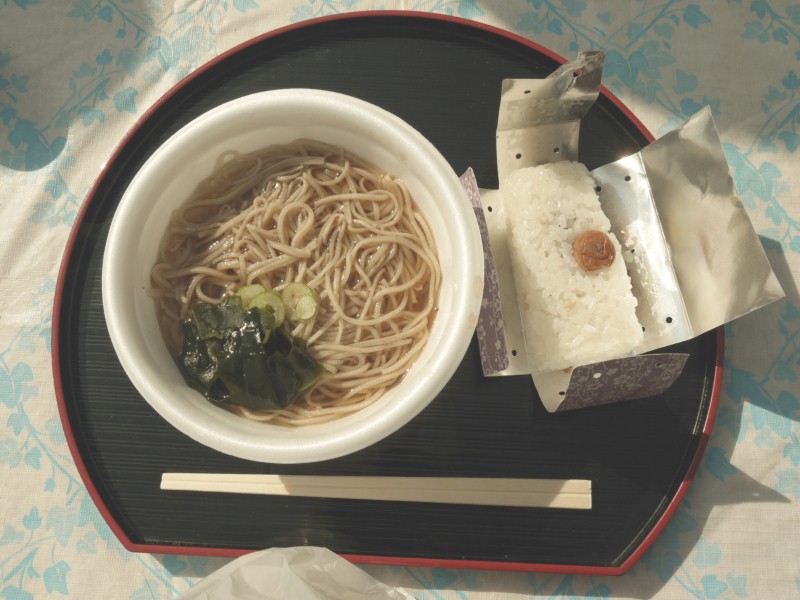
The Japanese natives indulge into eating soba noodles that are consumed for prosperity. With the onset of the year, the natives clean their homes and decorate the interiors as well as the exteriors with branches of the plum and pine tree. They even use bamboo to add to the excellence.

Since Japan is flooded with events, it is not quite easy to select and attend festivals from an entire range. The festive occasions generally encompass dancing festivals, fire festivals, religious festivals, snow festivals, naked festivals, music festivals and so on and so forth.

Sapporo Yuki Matsuri

The snow festival is massively eye-catching. Spanning for a week, the event marks sculpting figures and architecture from snow and ice. Thousands or may be millions of spectators visit Japan to witness the spectacle.


Image courtesy:chibijapan.foroactivos.net

Aoi Matsuri

One of the oldest festivals of Japan, the celebration marks a long procession where participants wear aristocratic fashion trend of ancient Japan.


Image courtesy:japan-guide.com

Domannaka Matsuri

Celebrated in Nagoya, the dance festival entails dancers from varied regions of Japan to reveal their local traditions through dancing techniques.


Image courtesy:vimeocdn.com

Takayama Matsuri

Held during spring and autumn, the festival is celebrated in the Gifu prefecture across the beautiful town of Takayama. The celebration feature long processions, tall and colourful floats adorning Karakuri Ningyo (mechanical puppets of Japanese origin).


Image courtesy: decktheholidays.blogspot.in

Shinkawa Matsuri in Ube

As per the Japanese tradition, foxes are honoured as Shinto Gods. According to the Japanese mythology, foxes trick humans to marry them. The Shinkawa Matsuri marks the wedding of foxes.


Image courtesy:freshfugu.blogspot.in

Omitzutori

One of the most celebrated occasions of historic importance in Japan, the Omitzutori festival entails lighting of giant torches at the Todaji temple.


Image courtesy:japan-guide.com

Nagasaki Kunchi

Among the diverse festivals in Japan, the Nagasaki Kunchi deserves special mention. It features Dragon dancing performed by a team of dancers. The dancing techniques adopted by the performers usually reveal influence of the Chinese culture.

Image courtesy: japan-guide.com


Tuesday, 19 March 2013

Japan Looking Forward to Colorful Trends this Spring

Since decades, Japan has been following style trends revealing the merge of eastern and western fashion. Every year, the country comes up with new trends attracting the style sense of the fashion conscious; whether it’s the warm and bright spring/summer collection or the edgy autumn range, the Asian country never falls short of stylising ideas.

Over the passage of time Japan has taken keen interest in joining the bandwagon of fashion-conscious countries sitting pretty in different continents. Now that spring has arrived, it has brought with it a wave of colourful clothing collections. This year’s spring fashion completely emphasises on men’s clothing, dominated by a diverse range of leather products. For the spring summer collection, the Japanese fashion experts are recommending leather apparels.

Image courtesy: friendsmania.net

Yes, the fashionable leather apparels are currently reigning over the wardrobes of men who are consciously pairing them up with trendy outfits to look cool. A must-have for this year’s spring wardrobe collection, these extremely stylish leather products can be fitted to any style. A majority of the style-conscious folks across Japan are adorning leather goodies in shades of brown and black. Despite several men opting for traditional leather shades there are also the ones donning cooler hues of blue and yellow.

Image courtesy:newimg.globalmarket.com

The diverse collection of leather apparels, give the commoner a taste of the new. On studying recent fashion trends in Japan, the fashionista has found out that the most chosen are those revealing a premium suede look; and of course this year we are also witnessing Japanese men donning classic biker’s jackets. While these leather jackets may be the talk of the Japanese fashion week this summer; they tend to come for a price heftier than you can imagine. Exactly!! They are a pinch for the commoner’s wallet.

A splash of colour for the lady’s wardrobe

Apart from men’s fashion, those that are reigning over the wardrobe of the Japanese lady are apparels featuring complete vintage looks. Japanese women’s fashion is currently experiencing the richness of the vintage blend. This spring the wardrobe of the far-east Asian lady is dominated by clothes in pastel shades like pink, beige, brown, light blue and some more of light shades inspired by nature.

Image courtesy: phlog.net

Currently the baggy style has set into the country and one can imagine how sweet ladies here are continuing to sport innocence and cuteness by wearing round collar attires. The Spring-Summer fashion trends in Japan in 2013 reveal an array of fresh flowery patterns, adding colour and purity to the style statement donned by the fashion-conscious Japanese lady. However, one may even witness women wearing silhouettes in simple spotted designs.

Thursday, 14 March 2013

Ume-Masturi - The Harbinger of Spring Months

Since time immemorial the Japanese plum festival has been reigning over the cultural traits of the country. The plum festival or originally known as the Ume Masturi holds significance in the society that is richly bounded by the Asian ways of living. “Ume” a particular Japanese apricot variety is richly produced in this island country. However, some are of the opinion that the cherry tree has outshone the popularity of the Ume.


The Japanese plum ushers spring time in the country that waits to watch the plum blossoms flourish. A majority of people believe that the plum blossoms are actually the first to open up as a flower with the arrival of the New Year; a new beginning. Tokyo witnesses the buds to flower during the months of February and March. Popularly known as Ume Masturi, the plum festival is celebrated in temples, parks and shrines.

Experts, who are already devoting their precious time in studying the Ume Masturi, have found out that plum trees thriving across the country island of Japan reveal an array of breeds. Since, ages people have been cultivating plum on the Asian grounds. On going deep into the matter, the researchers have discovered that a majority of plum blossoms reveal at least five, very fine petals that may hues as light as white to as dark as dark pink. There are also blossoms that bear more than five petals and hang over weeping branches.

Plum blossoms usually bear a strong and sweet fragrance that is not quite present in cherry blossoms. The ume fruit is basically sourer than the typical western plum. The fruit has to undergo a long process before it is considered edible by the human tongue. One of the most popular is the umeboshi; it is considered a sour and pickled form of the plum and is majorly enjoyed with steamed rice.


Umeshu is an alcoholic beverage comprising plum extracts. This beverage tastes somewhat sweet. The festival is widely celebrated across Yushima Tenjin which boasts of huge cultivation of plum trees. Around 300 plum trees are thriving well in Yushima Tenjin. The Ume Matsuri continues till the 8th of March and also marks the onset of the tea ceremony which plays an integral role in the Japanese culture. During the season, the place is beautifully covered by plum blossoms.


Yushima Tenjin is also considered a beautiful holy place (shrine) amongst people of Japanese origin. People here come to visit the deity, Ameno-tajikaraono-mikoto who is a leading character in Japanese mythology. However, foreigners generally visit the shrine because of its Ume festival. While celebrations are on full swing, people usually experience coldness in the temperature which is balanced by the gentle sunlight during day.

Tuesday, 5 February 2013

Wintertime warm water indulgence for the Japanese man

It is time to guess the Japanese man’s favorite pastime during winter. Well!! You may or may not be aware of the commoner’s passion which is none other than indulging in liquor just before a heavy and super hot shower. If you were into thinking that the average man in Japan hardly indulges in hardcore drinking then, you are certainly not correct; however this far-east Asian man is rather careful when he pampers his soul with liquor. He will take a hot bath to detoxify his body. This denotes the scientific and very urban detoxification process that is welcomed by the Japanese culture. The Japanese lifestyle is quite scientific and attempts to balance the daily hardship borne by average Japanese. People here follow a certain lifestyle mechanism that helps balance the hardship experienced to survive the modern ways of living. The basic Japanese ideology directs at utilizing baths and the hot springs for relieving stress from the body muscles. The Japanese consider the hot spring as a holy gift presented by nature to compensate for the loss caused by the volcanoes that dot this island country. People in this Asian land consider water as the healthiest resource that should be exploited in the wisest manner. Such practices root back in the Japanese social traits.


Image courtesy : ( http://goo.gl/JnZvk ) 

So, why do they at all observe this healthy regime? Working overtime during winter is commonplace for the average man in this country. As the cold gets freezing, people find it tough to walk against the chilly winds. Additionally the homes are rarely equipped with central heaters; so this invariably demands a hot soak to keep the body warm and healthy. The Japanese feel that an ecological overindulgence can cost them their life. So, they literally take the bathing route to neutralize the effects. This seems like a brilliant procedure to get rid of the guilt along with the toxins that build up in the body after hours of drinking. The commoner usually uses the clothes washer to warm up the water and then, directs the hot liquid into the tub.


Image courtesy: http://goo.gl/QpQVr

Furthermore the Japanese bathhouses offer a luxury dip to men; the scorching pools are filled with jet-blasters and several other mineral compositions to comfort the body and enrich it with the goodness of water and minerals. The Japanese manhood is given a boost with such bathing facilities. So, if you wish to plunge into the Japanese warm bathing pool then, get ready for an invigorating dip. The Japanese lifestyle blog generously gives an insight into the traits of the people.